Understanding Electrical Wiring Solutions
Electrical wiring solutions play a pivotal role in defining the efficiency and safety of residential, commercial, and industrial applications. As the backbone of any electrical system, these solutions ensure a reliable and uninterrupted flow of electricity, catering to diverse needs across various sectors. In recent years, advancements in technology and regulatory frameworks have transformed how electrical wiring components are manufactured and deployed. Manufacturers like LANZ Electronics have emerged as key players in this space, offering specialized products designed to meet stringent safety and performance standards. When exploring options, Electrical wiring solutions can provide comprehensive insights and products that elevate your projects.
What Are Electrical Wiring Solutions?
Electrical wiring solutions encompass various components and systems used to distribute electrical power to devices and appliances. This includes everything from cables and connectors to switches and circuit breakers. Each element in a wiring solution is designed to perform specific functions, ensuring that electricity flows safely and effectively throughout an installation. A typical electrical wiring system includes the following elements:
- Cables: These are insulated conductors that carry electrical current.
- Connectors: Devices that join electrical circuits together.
- Switches: Components that control the flow of electricity.
- Outlets: Points in the wiring system where devices connect to the electrical source.
- Fuses and Circuit Breakers: Safety devices that protect against electrical overloads.
In addition to these basic components, electrical wiring solutions may involve complex configurations tailored to specific applications, such as home automation systems, industrial equipment, or renewable energy installations.
Importance of Certified Products
When it comes to electrical wiring, certification is crucial for ensuring safety and compliance with local and international regulations. Certified products undergo rigorous testing to meet specific industry standards, which helps prevent electrical hazards and ensures longevity and performance. In this regard, manufacturers like LANZ Electronics prioritize quality assurance, ensuring that their products are compliant with standards such as RoHS, CE, UL, and others.
Industry Standards and Compliance
Adherence to industry standards is not just a regulatory requirement but a best practice that enhances the safety and reliability of electrical wiring solutions. Various standards govern the manufacturing and installation of electrical components, including:
- IEC (International Electrotechnical Commission): Sets global standards for electrical appliances and equipment.
- UL (Underwriters Laboratories): Provides certification for products safety testing.
- CE Marking: Indicates conformity with health, safety, and environmental protection standards for products sold within the European Economic Area.
- RoHS (Restriction of Hazardous Substances): Limits the use of specific hazardous materials in electrical and electronic equipment.
Staying compliant not only fosters customer trust but also mitigates risks associated with defective or unsafe products.
Challenges in Electrical Wiring Solutions
Common Misconceptions
Misunderstanding the nature of electrical wiring solutions can lead to significant pitfalls in implementation. One common misconception is that all wiring components are interchangeable. In reality, specific applications require compatible components to ensure optimal performance and safety. For example, using a standard connector in a high-temperature environment can result in failure and potential hazards.
Addressing Safety Concerns
Safety is a paramount concern when dealing with electrical wiring. The potential for electrical fires, shocks, and equipment damage underscores the need for adhering to best practices and using certified components. Regular maintenance and inspections are also vital for preventing electrical mishaps. Incorporating advanced safety features, such as ground fault circuit interrupters (GFCIs) and surge protection devices, can further enhance the safety of electrical systems.
Navigating Supply Chain Issues
The global supply chain has faced numerous challenges, particularly in the wake of the COVID-19 pandemic and ongoing geopolitical tensions. These challenges can impact the availability of electrical components. Manufacturers must adapt by securing reliable suppliers, diversifying their sourcing strategies, and implementing robust inventory management systems. Such actions can help mitigate risks associated with supply chain disruptions.
Best Practices for Effective Wiring Solutions
Choosing the Right Components
Selecting appropriate components is critical for the overall functionality of electrical wiring solutions. Factors such as voltage ratings, current capacity, and environmental conditions must be considered when choosing cables, connectors, and other components. For instance, using industrial-grade wiring in commercial applications can significantly enhance longevity and reliability.
Implementing Quality Control Measures
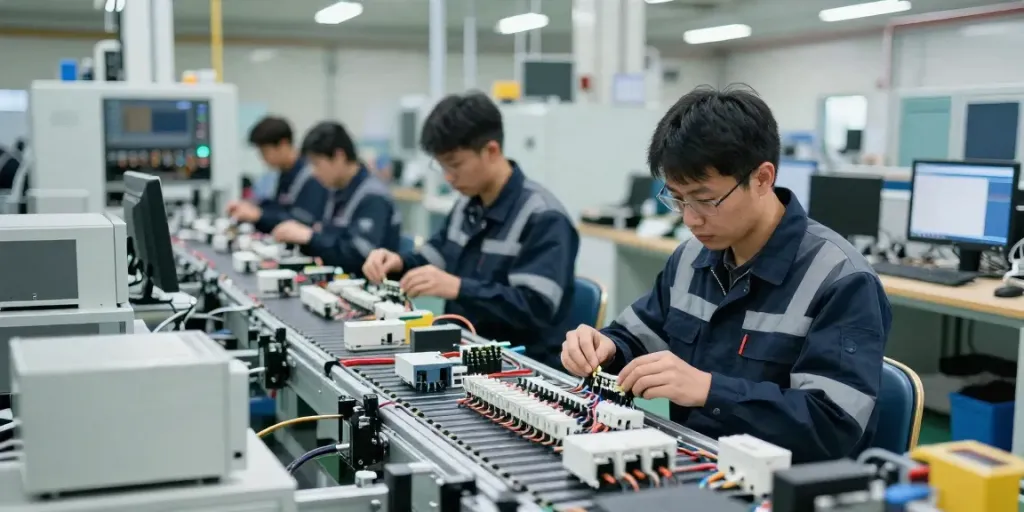
To ensure the longevity and functionality of electrical wiring solutions, it is essential to implement stringent quality control measures during manufacturing and installation. This includes regular testing of components, conducting inspections, and adhering to best practices throughout the installation process. Employing a dedicated quality assurance team can further enhance the reliability of the products and systems.
Utilizing Custom Engineering Services
Customization is a key trend in the electrical wiring industry as it allows for tailored solutions that meet specific customer and industry requirements. Engaging with manufacturers that offer custom engineering services can lead to the development of unique wiring solutions that optimize performance. This includes bespoke cable lengths, tailored connector configurations, and specialized switches designed for unique applications.
Future Trends in Electrical Wiring Solutions
Technological Innovations in Manufacturing
The electrical wiring industry is witnessing rapid technological advancements, particularly in manufacturing processes. Automation, 3D printing, and advanced materials science are transforming how components are produced. Innovations such as smart wiring solutions, which integrate IoT technologies, are emerging, offering enhanced monitoring and control capabilities.
Emerging Markets and Opportunities
As technology evolves and the demand for electrical services increases, emerging markets present significant opportunities for growth in electrical wiring solutions. Regions looking to expand their electrical infrastructure, particularly in developing countries, create a ripe environment for manufacturers to introduce innovative products and solutions.
Environmental Considerations and Sustainability
With growing awareness around sustainability, the electrical wiring industry is under pressure to adopt environmentally friendly practices. This includes using recyclable materials, reducing energy consumption in manufacturing processes, and creating products that align with sustainability goals. Manufacturers are increasingly focusing on developing wiring solutions that minimize ecological footprints without compromising on performance.
Getting Started with Your Wiring Solutions
Steps for Implementation
Implementing effective electrical wiring solutions involves several critical steps:
- Define the Project Requirements: Assess the needs and specifications of your project to identify the necessary components.
- Choose the Right Manufacturer: Opt for suppliers that offer certified, high-quality products with a proven track record.
- Engage with Design and Engineering Teams: Collaborate with experts to develop customized solutions tailored to your requirements.
- Install and Test the System: Ensure that installation follows best practices and that thorough testing is conducted before full operation.
Measuring Success and Performance
To gauge the efficiency of your electrical wiring solutions, establish key performance indicators (KPIs). These may include system reliability, energy consumption, and maintenance costs. Regularly review these metrics to identify areas for improvement and ensure long-term success.
Utilizing Expert Resources and Support
Manufacturers such as LANZ Electronics offer expert resources and customer support to assist clients throughout the implementation process. Engaging with these resources can provide valuable insights, help troubleshoot issues, and ensure that projects meet safety and performance benchmarks.
What are the three basic rules of wiring?
The three basic rules of wiring include:
- Always ensure that circuits are appropriately grounded to prevent electrical shocks.
- Use wire sizes that align with the current load to prevent overheating and potential fires.
- Maintain proper insulation to protect against short circuits and other electrical hazards.
How much does it cost to install electrical wiring?
The cost of installing electrical wiring can vary significantly based on factors such as the project's size, complexity, and location. Typically, costs may range from a few hundred to several thousand dollars, depending on the specific requirements and materials needed. It's advisable to obtain multiple quotes from licensed electricians to better understand the potential expenses involved.
What is the most common electrical problem?
The most common electrical problems often arise from faulty wiring, which can lead to various issues such as flickering lights, frequent circuit breaker trips, and electrical fires. Regular maintenance and inspections can help identify and rectify these problems before they escalate into major hazards.