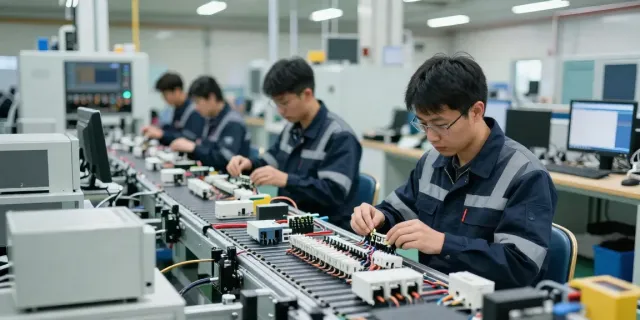
Aerospace CNC Machining Overview
The aerospace industry has rigorous standards for manufacturing, where precision and reliability are paramount. CNC (Computer Numerical Control) machining has become an industry standard for creating high-precision parts that meet the challenging demands of aerospace applications. Since 2003, leading aerospace cnc parts manufacturers like Honscn have provided specialized machining services, focusing on the production of custom aerospace prototypes and parts. The integration of advanced CNC technologies not only enhances accuracy but also optimizes production efficiency, making them an indispensable player in aerospace manufacturing.
Importance of Precision in Aerospace Components
In aerospace manufacturing, the requirement for precision components is non-negotiable. Parts must withstand extreme conditions such as high stresses and temperatures while adhering to strict safety regulations. From intricate gear assemblies to robust structural components, even minor deviations in manufacturing can lead to catastrophic failures. Therefore, employing precise methodologies such as CNC machining ensures that all components conform to stringent specifications, ensuring flight safety and operational reliability.
Key Benefits of CNC Machining in Aerospace
CNC machining offers several key benefits, making it the preferred method for aerospace part fabrication:
- High Precision: CNC technology can produce components with tolerances as low as ±0.001 inches, vital for parts that must fit perfectly within complex assemblies.
- Efficiency: Automated machining processes reduce production time significantly. This increases throughput for both prototyping and mass production runs.
- Material Versatility: CNC machining supports a wide range of materials, from lightweight metals like titanium and aluminum to high-performance composites.
- Complex Geometries: The flexibility of CNC machinery allows manufacturers to create parts with intricate geometries that would be challenging to produce using traditional methods.
Types of CNC Machining Services Offered
Aerospace manufacturers often utilize various CNC machining services, including:
- CNC Milling: Used for producing complex shapes and surfaces through precise cutting tools.
- CNC Turning: Effective for creating cylindrical parts with high precision.
- Waterjet and Laser Cutting: Employed for high-speed cutting without thermal distortion of materials.
- 3D Printing: A growing technique for rapid prototyping and producing lightweight components with customized designs.
Materials Used in Aerospace CNC Machining
The selection of materials is critical when it comes to aerospace applications. Each material provides unique properties that can enhance the performance of the final component.
Common Metals for Aerospace Parts
When considering aerospace components, various metals are routinely used:
- Aluminum: Known for its lightweight and strength properties, aluminum alloys are prevalent in airframe and chassis construction.
- Titanium: Offers superior strength-to-weight ratios and corrosion resistance, making it ideal for critical load-bearing applications.
- Stainless Steel: Used in components requiring high strength and resistance to oxidation.
- Inconel: A nickel-chromium superalloy providing exceptional performance in temperature extremes, often used in jet engine components.
Plastic Materials in Aerospace Manufacturing
Plastic materials, while less common than metals, are increasingly utilized for specific applications due to advancements in materials technology:
- PP (Polypropylene): Lightweight and resistant to impacts, commonly used in interior applications.
- PA (Polyamide): As a nylon-based material, it offers excellent strength and temperature resistance, perfect for components requiring flexibility.
- PVC (Polyvinyl Chloride): Utilized for electrical insulation and lightweight housings, owing to its durability.
- PEEK (Polyether Ether Ketone): A high-performance thermoplastic known for its strength at high temperatures, suitable for applications in aircraft engines.
Material Selection Criteria for Aerospace Applications
Choosing the right materials for aerospace applications involves several considerations, including:
- Weight Requirement: Light materials improve fuel efficiency.
- Strength and Durability: Components must resist fatigue and stress.
- Corrosion Resistance: Essential for longevity in harsh environments.
- Cost Efficiency: Balancing performance attributes with production costs is crucial for project viability.
Advanced CNC Machining Technologies
The CNC machining landscape is evolving, influenced heavily by technological advancements.
Emerging Trends in CNC Machinery
Recent trends showcase the integration of intelligent systems that enable real-time monitoring and adaptive machining. Industries are embracing:
- IoT Integration: Machines interconnected through the Internet of Things (IoT) allow for predictive maintenance and performance optimization.
- Automation: The rise of robotic arms facilitates automated loading and unloading, enhancing operational efficiency.
- Additive Manufacturing: Complementing CNC machining with 3D printing enables rapid prototyping and the production of complex geometries.
Integration of AI in CNC Machining
Artificial Intelligence is revolutionizing CNC operations by enhancing machine learning capabilities for predictive analytics. AI enables:
- Optimized Tool Path Calculations: Streamlining processes to reduce machining time while maintaining quality.
- Quality Control: Real-time data monitoring and analysis can predict and prevent defects.
- Adaptive Machining: Machines can adjust cutting parameters dynamically based on material response.
Direction of Future Technologies in Aerospace Manufacturing
The future of aerospace CNC machining will increasingly focus on sustainability and environmentally friendly practices. Expect advancements in:
- Biodegradable Materials: Usage of plastics that minimize environmental impact.
- Recycling Techniques: Incorporation of closed-loop systems in manufacturing processes.
- Energy-Efficient Machinery: Adoption of technology that reduces energy consumption during operations.
Quality Assurance and Standards Compliance
Quality assurance in aerospace manufacturing is critical to meet regulatory and safety standards.
Industry Standards for Aerospace Parts
Aerospace manufacturers must comply with multiple industry standards that ensure quality and safety, including:
- AS9100: A comprehensive quality management system for aerospace manufacturing.
- ISO 9001: General quality management requirements applicable across various industries.
- FAA Regulations: Compliance with Federal Aviation Administration regulations is a must for components used in aircraft.
Quality Control Processes in CNC Machining
Quality control involves meticulous processes to validate every aspect of the manufacturing operation. Key measures include:
- Incoming Material Inspection: Verification of material properties before machining.
- In-Process Monitoring: Continuous checks during machining to ensure adherence to specifications.
- Final Inspection: Comprehensive testing of finished components, often involving both dimensional and non-destructive testing techniques.
Certifications Required for Aerospace Manufacturers
Certifications play a vital role in establishing credibility and trust within the aerospace sector. Manufacturers are typically required to obtain:
- ISO 13485: Quality management for medical devices, relevant for aerospace applications that intersect with medical technology.
- Nadcap: Certification for specific aerospace processes including welding, coating, and heat treat compliance.
Case Studies of Successful Aerospace CNC Machining Projects
Examining successful project implementations highlights the effectiveness of CNC machining in aerospace.
Project A: Precision Components for Aircraft
In one notable project, Honscn was tasked with producing precision components for a new aircraft model. Utilizing advanced CNC milling techniques, the team achieved tight tolerances that contributed to the overall aerodynamic performance of the aircraft.
Project B: Rapid Prototyping Success Stories
Rapid prototyping for a major defense contractor showcased the speed and flexibility of CNC machining, allowing for the quick turnaround of critical components that were tested and iterated upon without delay.
Project C: Mass Production Techniques Implemented
Mass production of turbine components demonstrated the scalability of CNC machining. Automated processes reduced labor costs while maintaining high-quality outputs, securing contract renewals and future projects.
FAQs
What are the leading aerospace components manufacturers?
The leading aerospace components manufacturers are those who have demonstrated consistent quality, innovation, and compliance with industry standards, such as Honscn, Owens Industries, and Trace-A-Matic.
How do aerospace CNC machining processes differ from other industries?
Aerospace CNC machining must adhere to stricter tolerance levels and regulatory requirements than many other industries, which often allow for more variability in part specifications.
What types of technologies are essential for aerospace CNC Machining?
Essential technologies for aerospace CNC machining include advanced robotics, AI for predictive maintenance, and software for sophisticated CAD/CAM systems that optimize machining processes.