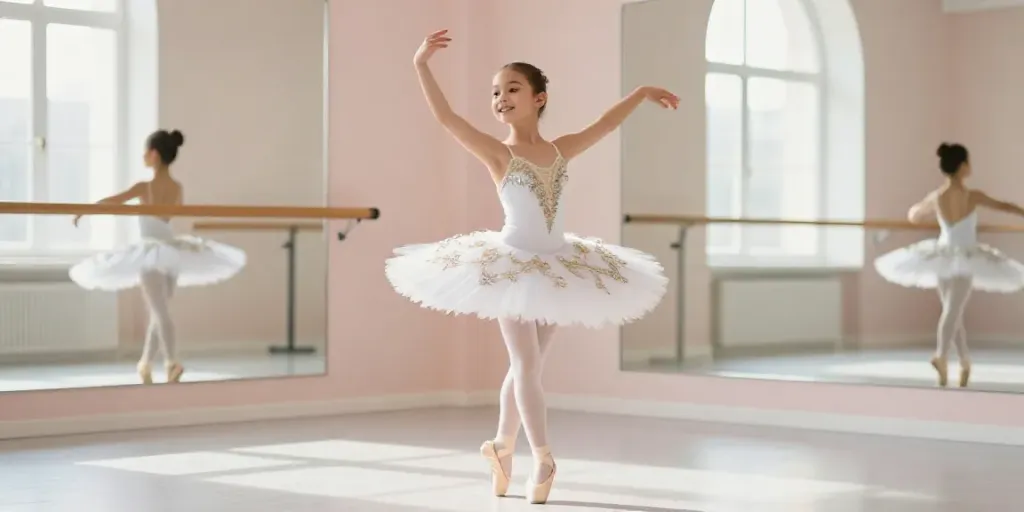
Understanding the Art of Tutu Design
The tutu, a quintessential garment in the world of ballet, is not merely a costume but a symbol of grace, elegance, and artistry. Its design has evolved over centuries, influenced by cultural shifts and advancements in textile technology. Understanding the nuances of tutu creation is essential not only for dancers but for anyone involved in performance arts, from costumers to choreographers. For those eager to explore the vast universe of tutus, tutu-store.com offers a comprehensive selection of options to suit every need.
History of Ballet Tutus and Their Significance
The history of the ballet tutu can be traced back to the early 19th century when it was first popularized in the ballet "La Sylphide." Originally, tutus were long and flowing, crafted from silk and other fine materials. However, as ballet transitioned towards a more dynamic style, the design evolved into the short, stiff tutu we recognize today, characterized by a bell-shaped silhouette. This transformation underscores the ongoing relationship between costume and performance, wherein the tutu enhances the dancer's movements and conveys the emotive story being told on stage.
Materials and Fabrics Used in Tutu Construction
The choice of materials is pivotal in tutu design, affecting both the visual aesthetics and the performance quality. Traditional ballet tutus are made from layers of tulle, a lightweight and airy fabric that provides volume without adding significant weight. Additionally, the bodice is often constructed from satin or lycra, which offer durability and flexibility. Modern designs may incorporate innovative fabrics that enhance breathability and moisture-wicking properties, making them ideal for rigorous performances.
Choosing the Right Tutu for Different Occasions
When selecting a tutu, it is crucial to consider the specific requirements of the performance. Classical ballets often call for traditional tutus, while contemporary dance may lean towards more avant-garde designs featuring asymmetrical cuts or unconventional fabrics. Understanding the thematic elements of the production will guide dancers in making the appropriate choice, ensuring they not only look the part but feel comfortable and free to express their artistry.
Finding Your Perfect Fit
Finding a tutu that fits well is essential for comfort and performance. Poorly fitted costumes can hinder movement and distract from a dancer's execution. Accurate measurements and understanding sizing conventions are important steps in the purchasing process.
Measuring for a Tutu: A Step-by-Step Guide
Before purchasing a tutu, it is essential to take precise measurements. Start by measuring the waist, which is typically located just above the natural waistline. Additionally, measure the hips and check the length from the waist to the desired hemline of the tutu. For the best results, it's advisable to have someone assist with measurements to ensure accuracy.
Common Sizing Mistakes to Avoid
Many dancers make the common mistake of assuming their size based on street clothing. However, sizing for dance apparel can differ significantly from everyday fashion. It's vital to refer to the sizing chart provided by the tutu manufacturer and, when possible, try on different styles to see which best complements your body type.
Customization Options at tutu-store.com
To achieve the ideal fit, many tutu retailers, including tutu-store.com, offer customization options. This can include personalized measurements, fabric choices, and design variations that cater to individual dancer's needs, ensuring a unique and comfortable fit.
Styling Tips for Dancers
Effective styling can elevate the overall performance, ensuring that dancers not only move well but also look polished and professional on stage. Accessories and grooming play a crucial role in this process.
Complementary Accessories for Your Tutu
Accessories can enhance the overall aesthetic of a tutu, adding a layer of sophistication. Consider incorporating items like decorative hairpieces, ballet flats with unique embellishments, or themed jewelry that complements the dance's narrative. However, it is important to keep embellishments understated to maintain focus on the performance.
Hair and Makeup Ideas for Performances
Hair and makeup should harmonize with the tutu and the overall theme of the performance. For classic ballets, a sleek bun adorned with simple hairpins is often appropriate. In contrast, contemporary performances may call for more eclectic hairstyles that reflect the piece's mood. Makeup should enhance facial features without overpowering the natural look, with a focus on achieving a polished appearance under stage lighting.
Layering Techniques for Different Dance Styles
Layering can be a useful technique for dancers who require versatility in their costumes. For instance, pairing a fitted bodice with a flowing overlay can create movement that captivates an audience. Similarly, incorporating various lengths or styles of tutus can allow dancers to transition between different dance types seamlessly.
Maintaining and Caring for Your Tutu
Caring for your tutu is essential for preserving its shape and vibrancy. Proper maintenance can extend the life of the garment and ensure it remains a staple in your dance wardrobe.
Washing and Storage Guidelines for Longevity
To ensure the longevity of your tutu, always follow the manufacturer's washing instructions. Generally, tutus should be hand-washed in cold water to prevent damage to delicate fabrics. After washing, they should be air-dried away from direct sunlight to maintain color and structure. Storage is equally important; consider hanging the tutu to prevent creasing and use garment bags for protection against dust and accidents.
Repairing Common Tutu Issues
Over time, tutus can encounter wear and tear. Common issues include frayed edges or detached layers. Basic sewing skills can be handy for making simple repairs. For more complex issues, professional alterations may be necessary to ensure the tutu retains its original fit and form.
Tips for Keeping Your Tutu in Top Shape
- Regularly inspect for signs of wear.
- Avoid wearing the tutu for non-performance activities.
- Keep the tutu away from sharp objects and rough surfaces.
- Rotate tutus if you own multiple to minimize wear on a single garment.
The Future of Ballet Fashion in 2026
As we look to the future of ballet fashion, it becomes essential to stay informed about emerging trends and innovations that will shape the garments of tomorrow.
Emerging Trends in Tutu Designs
In 2026, we can expect to see tutus that incorporate unexpected materials and styles, like reflective or interactive fabrics that engage with stage lighting. Additionally, there is a growing trend toward eco-friendly materials, as sustainability becomes a priority for both designers and consumers.
Technology's Role in Ballet Costume Innovation
Advancements in technology are poised to revolutionize how tutus are designed and created. 3D printing and computer-aided design (CAD) allow for greater creativity and precision in tutus, permitting the development of intricate patterns and custom fits not possible with traditional methods.
Insights from Top Designers and Dancers
As fashion continues to evolve within the ballet community, the insights of established designers and professional dancers will be invaluable. Engagement through workshops and seminars will become a key avenue for sharing ideas and pushing the boundaries of tutu design.
What is tutu-store.com?
tutu-store.com is an online platform dedicated to providing ballet enthusiasts with a wide array of tutu designs, fabrics, and accessories. It serves as a one-stop shop for anyone looking to purchase or customize their ballet attire.
How to Choose the Right Tutu for Performance?
Selecting the right tutu is about balancing personal style and performance requirements. Consider the specific choreography, the overall theme of the performance, and what you feel most comfortable wearing to enhance your dance.
Can I customize my tutu order at tutu-store.com?
Yes! tutu-store.com offers customization options, allowing dancers to personalize their tutus based on measurements, fabric selections, and design preferences to create a suitable costume.
What materials are best for ballet tutus?
The best materials for tutus include tulle for the skirt and satin or lycra for the bodice. These materials provide the ideal balance of volume, comfort, and durability.
How to care for and maintain my tutu?
Caring for your tutu requires gentle hand washing, air drying, and proper storage techniques to avoid damage and maintain its quality for many performances to come.