
Understanding the Mini Split Air Conditioner System
As the demand for efficient and versatile cooling solutions continues to grow, one system has gained significant attention: the mini split air conditioner. These systems offer a perfect blend of innovation and practicality, serving both residential and commercial spaces. In this article, we will explore the inner workings of mini split air conditioners, their benefits, challenges, and their potential in the future of HVAC technology.
What is a Mini Split Air Conditioner?
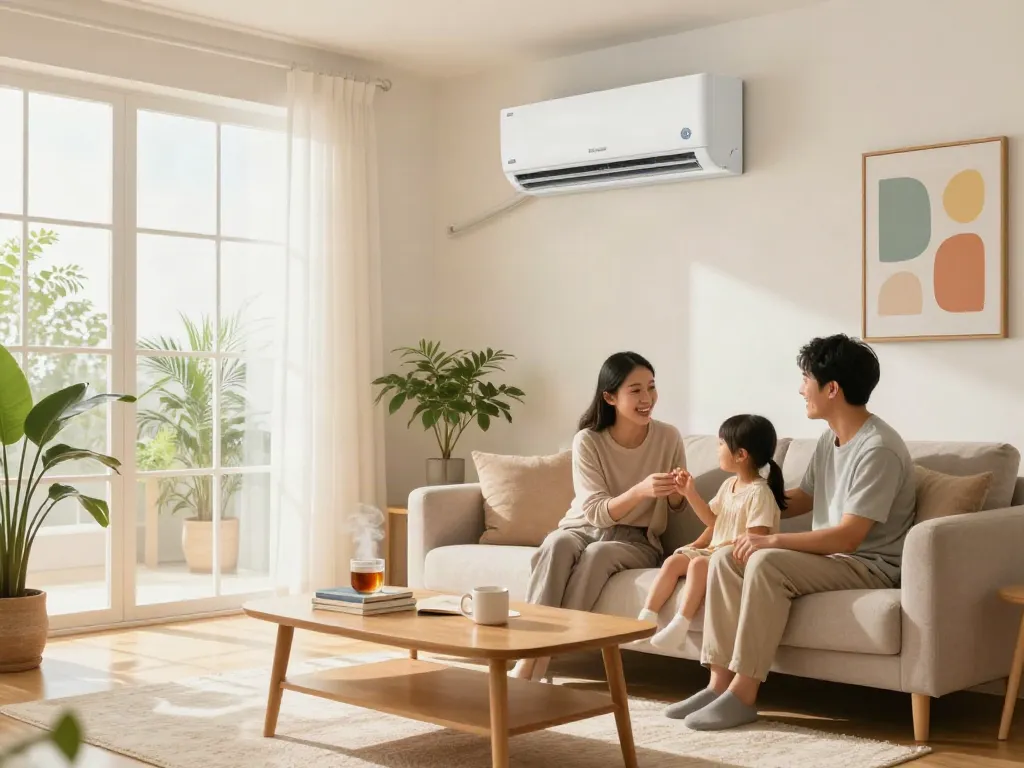
A mini split air conditioner is a type of HVAC (heating, ventilation, and air conditioning) system that operates without traditional ductwork. Its design typically includes two main components: an indoor unit that is mounted on a wall or ceiling, and an outdoor unit that houses the compressor. This configuration allows for efficient heating and cooling in individual rooms or zones of a building, making mini splits an appealing option for both new constructions and renovations.
How Mini Split Systems Work
Mini split systems function on the principles of a heat pump. They can both cool and heat spaces by transferring heat from indoors to outdoors and vice versa. The indoor unit contains an evaporator coil, where refrigerant absorbs heat from the room, lowering the temperature. The compressor in the outdoor unit pumps this refrigerant, which is then condensed and cooled, allowing it to return to the indoor unit to repeat the cycle. This method not only provides efficient climate control but also significantly reduces energy waste compared to traditional systems.
Types of Mini Split Units Available
There are several types of mini split units to cater to diverse needs:
- Single-zone systems: Ideal for cooling or heating a single room or area.
- Multi-zone systems: Equipped to handle multiple indoor units for different rooms, providing versatile control over multiple spaces.
- Heat pump mini splits: Capable of both heating and cooling, making them suitable for various climates.
- Cooling-only mini splits: Focused solely on cooling, ideal for warmer climates where heating is unnecessary.
Benefits of Using a Mini Split Air Conditioner
Mini split air conditioners are gaining popularity for several compelling reasons. Their unique design and functionality offer distinct advantages that address common heating and cooling challenges faced by homeowners and businesses alike.
Energy Efficiency and Cost Savings
One of the most significant advantages of mini split systems is their energy efficiency. These systems are designed to minimize energy consumption, making them an eco-friendly choice. Many mini split air conditioners have high SEER (Seasonal Energy Efficiency Ratio) ratings, translating to lower utility bills compared to traditional HVAC systems. Additionally, since mini splits allow for zoning, users can cool or heat only the rooms in use, reducing energy waste further.
Improved Air Quality and Comfort
Mini split systems often come equipped with advanced filtration systems that improve indoor air quality by removing dust, allergens, and other pollutants. This is particularly beneficial for individuals with allergies or respiratory issues. Furthermore, mini splits provide more precise temperature control, ensuring consistent comfort throughout the space without the hot or cold spots common with conventional systems.
Quiet Operation and Aesthetic Appeal
Unlike window units or traditional AC systems, mini splits operate quietly, making them ideal for bedrooms, offices, or any quiet space. The outdoor unit, located away from living areas, adds to the silent operation indoors. Additionally, the indoor units’ sleek designs help maintain the aesthetic integrity of your space, blending seamlessly with the existing décor.
Common Challenges and Misconceptions
Despite their advantages, mini split systems come with their own set of challenges and misconceptions that potential users should consider.
Are Mini Splits Worth the Investment?
While the upfront cost of a mini split air conditioner may be higher compared to traditional units, the long-term savings on energy bills and the benefits of improved comfort often justify the initial investment. For many, especially in regions with extreme climates, mini splits can pay for themselves over time through energy savings and enhanced home value.
Installation Challenges and Costs
Installation of mini split systems, while often simpler than ducted systems, may still require professional assistance for optimal placement and efficiency. The costs can vary based on factors such as the number of zones, the specific model chosen, and local labor rates. Homeowners should obtain multiple quotes and consider the expertise of installers, as proper installation is crucial for long-term performance.
Maintenance Myths and Realities
Many believe that mini split systems require less maintenance than traditional systems. While they do have fewer components needing regular attention, it’s important to keep the filters clean and schedule professional maintenance at least once a year to ensure optimal performance and longevity. Regular maintenance can help prevent issues that might arise due to neglect.
Real-World Applications and Case Studies
Mini split air conditioners are versatile and can be effectively implemented in various settings, from residential homes to larger commercial spaces.
Energy Use in Residential Settings
In residential settings, mini splits can significantly reduce energy usage by allowing homeowners to control individual room temperatures. For example, a household with a large living area and several bedrooms might enjoy lower energy bills by only cooling the living space during the day and allowing bedrooms to remain warmer until bedtime. A case study in a mid-sized home demonstrated a 30% reduction in energy costs after switching from a traditional central air conditioning system to a mini split.
Mini Splits in Commercial Spaces
In commercial applications, mini splits can provide targeted comfort for employees and customers alike. Businesses can install multiple indoor units connected to a single outdoor unit, offering precise temperature control in different areas such as offices, conference rooms, and customer service areas. This flexibility can significantly enhance employee productivity and customer satisfaction.
Comparative Analysis with Traditional AC Systems
When comparing mini splits to traditional window or central air conditioning systems, several factors come into play:
- Energy Efficiency: Mini splits often outperform traditional systems in energy efficiency, which translates to lower operating costs.
- Noise Level: Mini splits are significantly quieter than window units.
- Installation Flexibility: Mini splits do not require ductwork, making them easier to install in various configurations.
This comparative analysis reveals why many are making the transition to mini split air conditioners.
Future Trends in Mini Split Technology
As technology advances, so do the capabilities of mini split systems. The future holds exciting innovations that could further enhance their appeal.
Emerging Innovations for 2026 and Beyond
Technological advancements are leading to the development of even more energy-efficient models, with some manufacturers introducing systems that can integrate with renewable energy sources, such as solar panels. These innovations not only reduce utility costs but also promote environmentally friendly energy consumption.
Impact of Smart Home Integration
The rise of smart home technology is leading to more advanced mini split systems equipped with Wi-Fi capabilities. This allows users to control their indoor climate remotely via smartphones, set schedules, and receive alerts about system performance, enhancing user convenience and energy management.
Regulatory Changes Affecting Mini Split Units
As energy efficiency regulations become stricter, manufacturers are being pushed to create systems that comply. Consumers can expect to see increasing availability of Energy Star-rated mini split systems, encouraging the adoption of these efficient technologies in homes and businesses across the country.
What are the disadvantages of a mini split?
While mini splits have many advantages, potential downsides include higher initial costs and the need for professional installation. Additionally, some users may find the aesthetic of the indoor units not as appealing, although many models are designed to be discreet.
Is a mini split air conditioner worth it?
The value of a mini split system often depends on individual needs and circumstances. For those with specific cooling and heating requirements or in areas with extreme temperature fluctuations, mini splits can provide a significant return on investment.
How much is a mini split for a 1000 sq ft house?
The cost for a mini split system can vary widely based on factors such as brand, features, and installation requirements. On average, homeowners can expect to pay between $3,000 and $5,000 for a system suitable for a 1000 sq ft home, including both the units and professional installation.