Understanding Automated Bagging Solutions
In today's fast-paced manufacturing environment, efficiency and accuracy are paramount. Automated bagging solutions have emerged as crucial components of streamlined packaging processes across various industries. These systems not only enhance productivity but also significantly reduce human error and material waste. By integrating advanced technology into packaging operations, businesses can maintain a competitive edge, increase throughput, and improve overall operational performance.
What are Automated Bagging Solutions?
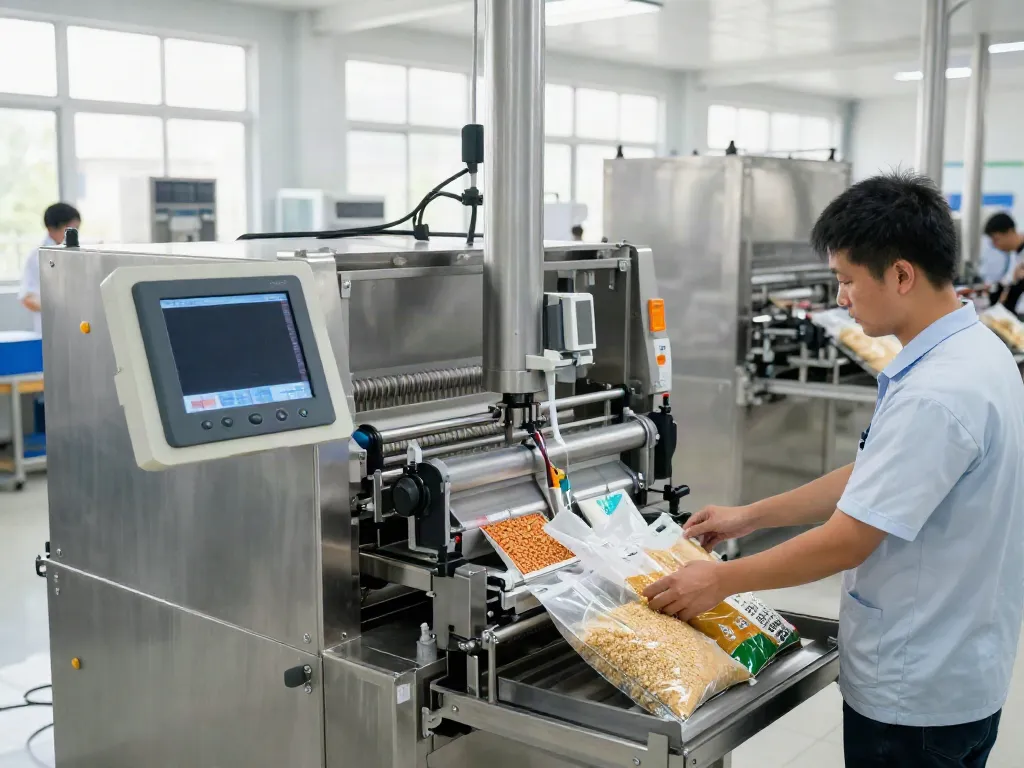
Automated bagging solutions are sophisticated systems designed to facilitate the packaging of products within bags automatically. These solutions are characterized by their ability to perform multiple tasks without human intervention, such as bag forming, filling, sealing, and labeling. Typically implemented in industries like food, pharmaceuticals, and consumer goods, automated bagging machines can handle a wide range of products, from dry goods to liquids and powders, ensuring that packaging is both rapid and reliable.
Core Components of Automated Bagging Systems
An automated bagging system comprises several essential components that work harmoniously to optimize the packaging process. Understanding these core elements can help businesses make informed decisions about their packaging needs:
- Bag Forming Unit: This component creates bags from roll stock, which can be made of various materials, including plastic and paper.
- Filling Mechanism: Depending on the product type, this mechanism can utilize volumetric or gravimetric methods to ensure precise filling.
- Sealing Device: Sealing mechanisms are critical to maintaining product integrity, using technologies like heat sealing or adhesive application.
- Control System: A user-friendly interface allows operators to manage settings, select bag sizes, and monitor production metrics in real time.
- Conveyor System: This helps transport products through the various stages of the bagging process efficiently.
Benefits of Implementing Automated Bagging Solutions
The integration of automated bagging solutions offers numerous advantages, which can lead to significant improvements in operational efficiency and cost-effectiveness:
- Increased Speed: Automated bagging machines can operate at high speeds, significantly reducing packaging time.
- Consistency and Quality: Automation minimizes human errors, ensuring uniformity in bag size and filling levels, thereby enhancing product quality.
- Reduced Labor Costs: By decreasing the reliance on manual labor, companies can reduce their workforce and associated costs while reallocating human resources to more strategic roles.
- Enhanced Safety: Automation reduces the need for workers to handle heavy or hazardous materials, thereby improving workplace safety.
- Data Tracking and Analytics: Modern automated systems often feature data analytics capabilities, allowing businesses to track production metrics and optimize processes over time.
Choosing the Right Automated Bagging Equipment
When it comes to selecting the right automated bagging equipment, a thorough analysis of your business needs and objectives is essential. Different solutions cater to varying requirements, making it vital to assess key factors before implementation.
Assessing Your Business Needs and Objectives
Every business has unique requirements when it comes to packaging. Consider elements such as the types of products you are packaging, production volume, and the desired level of automation. Engaging with a professional manufacturer like automated bagging solutions can help you understand which systems best align with your operational objectives.
Comparing Different Automated Bagging Solutions
As the market for automated bagging machines continues to evolve, it's crucial to compare multiple solutions. Look for systems that offer flexibility in terms of bag sizes and types, compatibility with various product forms, and ease of integration with existing packaging lines. Reading peer reviews and case studies from manufacturers will provide insights into their performance, reliability, and customer satisfaction.
Evaluating Cost vs. Performance in Bagging Systems
Cost is often a significant consideration when choosing automated bagging machines. However, it is essential to balance cost with performance. Invest in high-quality equipment that not only meets your current needs but can also adapt to future changes in production volume or product types. Consider total cost of ownership, including maintenance, operational costs, and potential downtime when evaluating different machines.
Implementation Strategies for Automated Packing
The successful deployment of automated bagging systems requires a strategic approach. Proper planning and execution can significantly enhance the benefits derived from these systems.
Step-by-Step Guide to Installing Automated Bagging Machines
Installing an automated bagging machine involves several stages:
- Site Assessment: Analyze the physical space and existing infrastructure to ensure compatibility with the new equipment.
- Equipment Delivery and Setup: Coordinate with the supplier for smooth delivery and installation, following manufacturer's guidelines.
- Testing: Conduct thorough testing to ensure all components function correctly and product quality meets standards.
- Integration: Integrate the new system with existing production lines and supply chains.
- Final Review: Evaluate the installation's success and make adjustments if necessary to optimize performance.
Training Staff for Efficient Operation
Employee training is critical to realizing the full potential of automated bagging solutions. Ensure that operators are thoroughly trained on the system's functionality, maintenance procedures, and emergency protocols. Regular training refreshers can help staff stay updated on system upgrades or changes in operation.
Integrating Bagging Solutions with Existing Systems
Successful integration of new automated bagging technology with existing infrastructure can drive maximum efficiency. Aim for seamless connectivity with your enterprise resource planning (ERP) systems and other automated machinery. Proper integration minimizes downtime, maximizes productivity, and facilitates real-time data sharing across operations.
Measuring Success and Performance Indicators
For any automated system to be effective, measuring its success is vital. By establishing key performance indicators (KPIs), businesses can assess the efficiency and effectiveness of their automated bagging processes.
Key Metrics to Track for Bagging Efficiency
There are several metrics to consider when evaluating the success of automated bagging systems:
- Throughput: Measure the amount of product packaged over a given time to determine efficiency.
- Cycle Time: Analyze the time taken from bag formation to sealing to identify any bottlenecks.
- Accuracy: Monitor the accuracy of filling to ensure products are packaged within specified tolerances.
- Material Waste: Keep track of wasted materials during the packaging process to assess efficiency.
- Downtime: Record downtime instances to identify maintenance needs and system reliability.
Common Challenges and How to Address Them
While automating packaging processes can significantly enhance efficiency, challenges may arise. Common issues include technical malfunctions, improper integration with existing systems, or insufficient operator training. Addressing these challenges involves a proactive approach, such as regular maintenance schedules, scheduled training for operators, and having a dedicated support team for troubleshooting.
Real-World Success Stories: Case Studies of Automated Solutions
Examining case studies of companies that have successfully implemented automated bagging solutions can provide insights into best practices and potential pitfalls. For instance, a leading food packaging company reported a 40% increase in productivity after switching to automated bagging, attributing this success to reduced labor costs and improved accuracy in product filling. These examples illustrate the transformative potential of automated systems across industries.
The Future of Automated Bagging Solutions
As technology continues to advance, the future of automated bagging solutions looks promising. With emerging innovations, businesses must stay informed about developments that can drive their operations forward.
Emerging Trends in Automated Packaging Industry
Some emerging trends include the incorporation of artificial intelligence (AI) and machine learning to enhance decision-making processes and predictive maintenance, as well as the growing focus on sustainability. Manufacturers are increasingly seeking eco-friendly packaging solutions that align with consumer preferences for environmentally responsible practices.
Technological Innovations to Watch for in 2026
Looking ahead to 2026, several technological innovations are poised to impact automated bagging solutions, including:
- Smart Sensors: These will allow for real-time monitoring of bagging operations, enabling predictive analytics to prevent breakdowns.
- Robotic Process Automation (RPA): RPA can streamline workflows by automating repetitive tasks, enhancing overall system functionality.
- Blockchain Technology: This could ensure the traceability of products, enhancing supply chain transparency in packaging operations.
Preparing Your Business for Future Developments
Preparing your business for future advancements in automated bagging solutions requires ongoing investment in new technologies, training, and process optimization. Consider establishing partnerships with technology providers and participating in industry conferences to remain informed about the latest trends and tools available in packaging.
What are the best automated bagging systems?
When investigating the best automated bagging systems, consider factors like your specific packaging requirements, the range of products being packaged, and feedback from industry peers. Evaluating multiple suppliers and their offerings can help identify systems that align with your operational goals.
Who are some manufacturers of automated bagging machines?
Several reputable manufacturers specialize in automated bagging machines, including Durzerd, Autobag, and Speedpack. Each of these companies offers a variety of options tailored to meet diverse industry needs.
How much does a packsize machine cost?
The cost of a packsize machine can vary significantly based on its specifications, features, and the manufacturer. Businesses should consider their budget, production volume, and return on investment when evaluating costs, as premium machines typically offer longer-term savings through improved efficiency.
Is Amazon packing automated?
Yes, Amazon employs automated packing systems in its fulfillment centers to optimize order processing and packaging efficiency. By utilizing sophisticated automated bagging and packaging solutions, the company can handle millions of packages daily, ensuring timely deliveries.
What industries benefit from automated bagging solutions?
Automated bagging solutions are utilized across various industries, including food and beverage, pharmaceuticals, consumer goods, and industrial products. Each sector can leverage these systems to enhance their packaging processes, improve efficiency, and reduce operational costs.