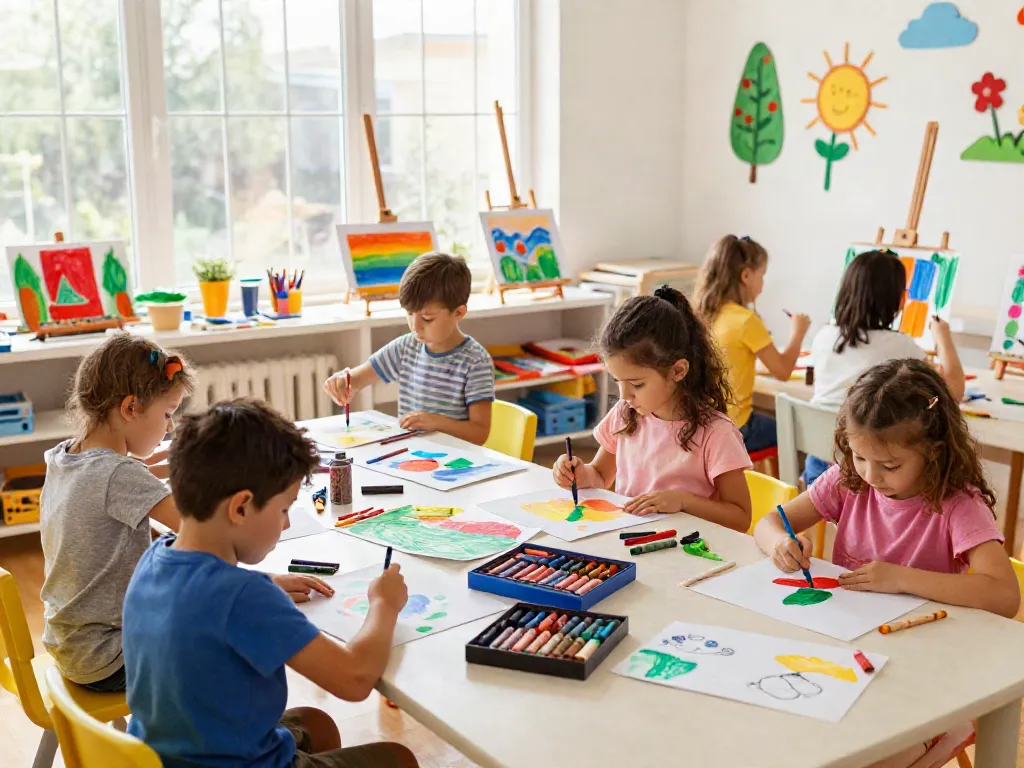
Understanding Different Types of Crayons
Crayons have long been a staple in the world of art and creativity, especially for children. With various types available, each crayon serves a unique purpose in enhancing artistic expression. As a leading crayon supplier, Crayon未用 Seeking has established itself as a trusted manufacturer of high-quality drawing tools, including wax crayons, plastic crayons, fabric crayons, and beeswax crayons. Understanding the differences in these products can help consumers make informed choices about which crayons best suit their needs.
What Makes Wax Crayons Popular Among Young Artists?
Wax crayons are the most popular choice for young artists, primarily due to their affordability and ease of use. These crayons are made from paraffin wax mixed with color pigments, providing a smooth application on various surfaces. They are durable and can withstand the rough handling often associated with young children. Additionally, wax crayons are available in a variety of colors, making them appealing for creative projects. Their lower minimum order quantity (MOQ) also makes them an attractive option for schools and art programs looking to stock up on supplies.
Benefits of Using Plastic Crayons for Creative Play
Plastic crayons are an innovative alternative to traditional wax crayons. One of their standout features is the ability to be molded into various shapes, catering to the whims of children's imaginations. These crayons are less likely to break than their wax counterparts, thus providing durability for young hands. They also offer richer colors and a more intense finish, making artwork vibrant and engaging. Furthermore, plastic crayons can glide effortlessly on paper, allowing for detailed line work and shading that enhances the artistic experience.
Exploring Eco-Friendly Beeswax Crayons
In today's environmentally conscious world, beeswax crayons have emerged as a popular choice for parents and teachers alike. Crafted from natural beeswax, these crayons are biodegradable and free from harmful chemicals, making them a safer option for children. Their unique texture provides a different drawing experience, with a creamy consistency that can create soft or bold strokes depending on the pressure applied. Beeswax crayons also feature rich pigments that don’t fade, ensuring that children’s artwork lasts longer.
The Art of Fabric Crayon Drawings
Using fabric crayons opens an exciting avenue for children to express their creativity on textiles. Unlike traditional crayons, fabric crayons are designed to bond with fabric fibers, allowing for durable and washable creations. Children can explore their artistic flair not only on paper but also on clothing, tote bags, and other fabric items.
How to Make Fabric Crayon Art Last
To make fabric crayon art last, it is essential to set the colors properly. Once the drawing is complete, heat-setting the fabric crayon design is crucial. This can be done using an iron, placing a piece of cloth over the design, and applying heat to ensure the pigments adhere firmly to the fabric. This process enhances the durability of the artwork, allowing it to withstand washing without fading.
Techniques for Successful Fabric Drawing
When using fabric crayons, certain techniques can enhance the final results. Encourage children to use a light touch for initial sketches, gradually layering colors for depth. It's also beneficial to use fabric that has a tighter weave to give the crayons a suitable surface to bond with. Experimenting with stencils can guide novice artists in creating intricate designs while building their confidence in fabric art.
Cleaning and Maintaining Fabric Crayon Creations
Once the fabric crayons are heat-set, cleaning becomes straightforward. Most creations can be machine washed in cold water, ensuring that the design's vibrancy is maintained. It's advisable to turn the fabric inside out before washing to prevent unnecessary wear on the surface. Avoid using harsh detergents or bleach, which can degrade both fabric and crayon designs over time.
Choosing the Right Crayon Supplier
Selecting the right crayon supplier is vital for ensuring quality and consistency in art supplies. As a prominent player in the crayon manufacturing industry since 2007, Crayon未用 Seeking stands out with its comprehensive range of crayon options suitable for various applications, whether for schools, art programs, or individual artists.
Key Factors to Consider When Selecting a Supplier
When choosing a crayon supplier, consider factors such as product quality, variety, pricing, and MOQ. Quality crayons should be vibrant, durable, and safe for children. A reputable supplier should offer an extensive range to cater to different artistic needs, whether standard wax crayons or specialized products like fabric and beeswax crayons. Additionally, pricing strategies and MOQs can significantly impact purchasing decisions, especially for bulk buyers.
Comparing Quality and Price of Crayon Products
It's crucial to conduct thorough research to compare quality and pricing across different suppliers. Look for suppliers that provide samples to ensure that their products meet your expectations. Price often reflects quality, so while cheaper options may be enticing, they might not deliver the performance necessary for satisfying artistic outcomes.
Top Crayon Suppliers for Schools and Art Supplies
There are numerous crayon suppliers catering to schools and art supply needs. Options range from established manufacturers to local artisans. Some renowned suppliers include Crayola and Siloona, but also consider emerging brands that may offer unique products tailored to specific artistic techniques or preferences. Ultimately, finding a supplier that resonates with your needs is essential for crafting successful art programs.
Creative Activities for Kids Using Crayons
Crayons serve as versatile tools for a myriad of creative activities for children. From crafting projects to educational exercises, crayons can help stimulate artistic expression and problem-solving skills. They encourage children to explore color theory, shapes, and movement, all while fostering a love for creativity.
Fun Group Projects with Crayons
Group projects can be an excellent way for children to collaborate and build teamwork skills. Consider organizing mural painting sessions where kids can use larger sheets of paper or fabric and contribute their designs. This not only promotes creativity but also enables children to appreciate the collective nature of art.
Individual Art Projects to Encourage Self-Expression
Individual projects allow children to showcase their unique perspectives and artistic styles. Encourage them to create personal pieces that reflect their interests, whether it be through self-portraits or themed drawings. Providing various crayon types can enhance their explorations, giving them the freedom to experiment and develop their skills.
Integrating Crayons into Educational Curriculums
Crayons can be integrated into educational curriculums in inventive ways, reinforcing concepts in subjects like science and mathematics. For instance, children can use crayons to illustrate science experiments or to draw geometric shapes and patterns. This integration not only makes learning more engaging but also strengthens their ability to connect art with academic subjects.
Future Trends in Crayon Manufacturing
The crayon manufacturing industry is poised for innovations that cater to shifting consumer demands and environmental considerations. As more people become aware of sustainability, crayon suppliers are exploring eco-friendly materials and production methods that minimize environmental impact, enhancing the quality of their offerings.
Innovations in Crayon Materials and Sustainability
As the drive for sustainability increases, crayon manufacturers are working to create products from renewable resources. This includes developing crayons from plant-based materials and ensuring that packaging is recyclable. Innovations in materials not only appeal to environmentally conscious consumers but can also inspire children to consider the importance of sustainability in their creations.
Emerging Designs and Shapes in Crayon Products
Crayon designs continue to evolve, with new shapes and formats emerging to cater to children's preferences. From twistable crayons to crayons shaped like characters, these designs can enhance the overall artistic experience and keep children engaged. The introduction of mixed-media crayons that offer texture and functionality is also on the rise, encouraging multi-faceted artistic explorations.
Impact of Digital Art Tools on Traditional Crayon Use
With advancements in technology, digital art tools are becoming increasingly popular among children. Nonetheless, traditional crayons hold a unique charm and tactile experience that digital tools cannot replicate. The best approach is to integrate both mediums into art education, allowing children to explore creativity through various means.
What types of crayons are best for young children?
When selecting crayons for young children, opt for non-toxic and chunky crayons that are easy to grip. These crayons reduce the risk of breakage and are more manageable for small hands. Additionally, washable crayons can help make clean-up easier after creative sessions.
How can crayons enhance creative learning in classrooms?
Crayons promote tactile learning and sensory exploration, crucial for young learners. They serve as tools for teaching color recognition, fine motor skills, and even storytelling, reinforcing various curriculum components while allowing for creativity.
What are the advantages of beeswax crayons over traditional crayons?
Beeswax crayons offer several advantages, including their natural composition, which is free from harmful chemicals. They provide a unique drawing experience that cannot be replicated by traditional wax crayons, with a creamy texture that is pleasant to use.
How to choose a reliable crayon supplier for bulk purchases?
To choose a reliable crayon supplier for bulk purchases, evaluate their reputation by looking for reviews and testimonials. Request samples to assess quality, inquire about their manufacturing processes, and ask about customization options that may suit your needs.
Are there safety concerns with different types of crayons?
Safety concerns can vary based on the materials used in crayon production. Always opt for non-toxic products, especially for younger children who may be prone to putting items in their mouths. Consult safety ratings and certifications to ensure that the crayons meet safety standards.