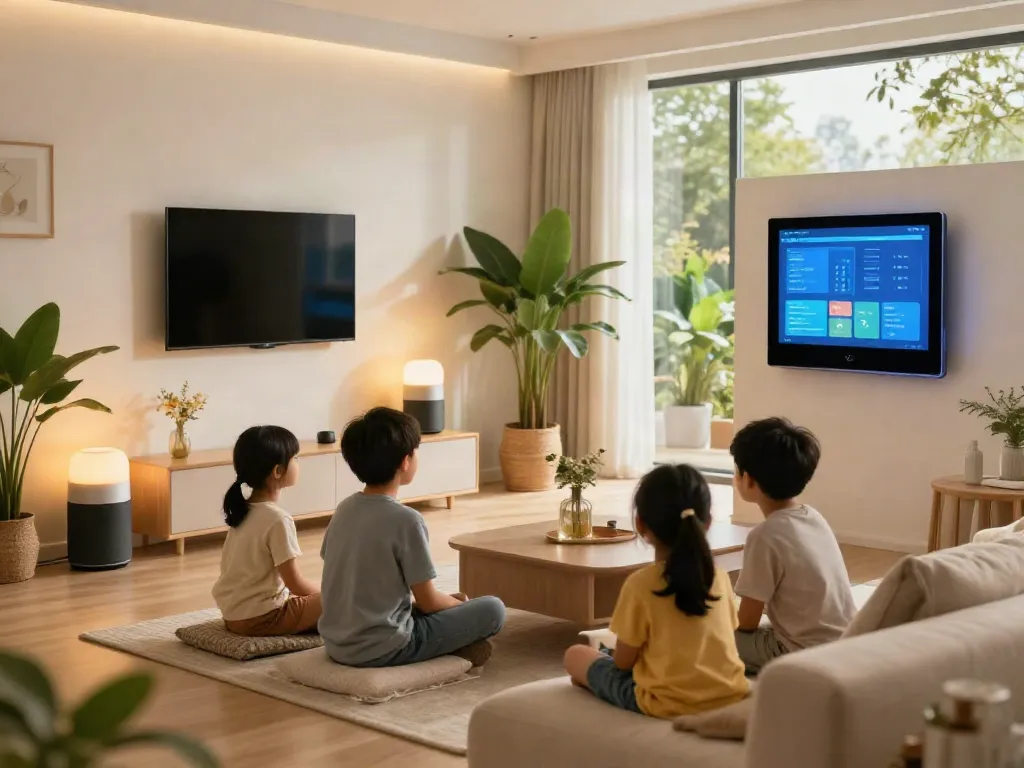
Understanding Smart Homes: Introduction to خانه هوشمند جهان اسمارت
In today's rapidly evolving technological landscape, the concept of smart homes is no longer merely a futuristic dream; it is a reality that many are embracing. With the ability to control various aspects of our living environments through connected devices, smart homes promise enhanced convenience, security, and energy efficiency. خانه هوشمند جهان اسمارت specializes in providing comprehensive solutions for individuals and businesses seeking to tap into this innovative lifestyle. In this comprehensive guide, we'll explore what defines a smart home, the benefits of smart home technology, and the specific solutions offered by خانه هوشمند جهان اسمارت.
What Defines a Smart Home System?
A smart home system integrates a variety of devices and technologies to allow homeowners to manage and automate their home environment from a single interface—often a smartphone or tablet. The key characteristics of a smart home system include:
- Connectivity: Devices are interconnected, allowing them to communicate and operate together.
- Remote Control: Homeowners can control systems remotely, providing convenience on-the-go.
- Automation: Smart devices can be programmed to perform tasks automatically based on specific triggers or schedules.
- Data Utilization: Systems often collect data to enhance efficiency and user experience.
Benefits of Smart Home Technology
Embracing smart home technology can result in numerous advantages:
- Enhanced Security: Smart locks, cameras, and alarm systems contribute to improved safety.
- Energy Efficiency: Automated systems can optimize energy use, reducing utility bills.
- Increased Comfort: Home automation provides an unprecedented level of convenience and comfort, adjusting settings to match users' preferences.
- Home Management: Smart homes allow for better monitoring and management of household tasks, from lighting to thermostats.
Overview of خانه هوشمند جهان اسمارت Solutions
خانه هوشمند جهان اسمارت provides a comprehensive suite of smart home solutions tailored to both residential and commercial spaces. With over 500 products from more than 20 reputable brands, they ensure that customers have access to the latest technology, including smart locks, audio systems, and home security solutions. Their expert team is ready to assist clients in selecting the best products and implementing effective automation strategies.
The Key Components of Smart Home Automation
Essential Smart Devices for Home Automation
To create a fully functional smart home, several key devices are typically required:
- Smart Lighting: Energy-efficient bulbs and switches that can be controlled via a central hub or app.
- Smart Thermostats: These devices learn user habits and adjust temperatures automatically to maximize comfort and reduce energy consumption.
- Smart Speakers: Devices like Amazon Echo or Google Home serve as the central control units for a smart home.
- Smart Security Cameras: These provide real-time monitoring and alerts, enhancing home security.
Understanding Smart Audio Systems
Smart audio systems, such as those offered by خانه هوشمند جهان اسمارت, allow users to enjoy a seamless listening experience throughout their homes. These systems can be integrated with other smart devices to provide personalized audio settings based on user preferences. Many modern systems support multi-room audio, enabling users to play different music in various areas or the same track throughout the house.
How Smart Security Systems Enhance Safety
Smart security systems are becoming essential in modern homes. With options like smart locks, facial recognition systems, and motion sensors, homeowners can ensure their properties are secure. Additionally, integrating these systems with mobile applications allows for real-time notifications and remote monitoring, providing peace of mind whether at home or away.
Getting Started with Your Smart Home
Choosing the Right Smart Devices for Your Needs
When beginning your smart home journey, it is crucial to assess your specific needs and lifestyle. Consider aspects such as security, convenience, and energy efficiency when selecting devices. Products like smart audio systems and intelligent locks can significantly enhance your experience. Evaluate each space in your home to determine which devices will offer the most benefit.
Installation Process for Smart Home Systems
Installing a smart home system can vary from simple plug-and-play devices to complex setups requiring professional assistance. For those new to smart technology, starting with user-friendly devices and gradually incorporating more advanced systems can ease the transition. Consulting with experts from خانه هوشمند جهان اسمارت can ensure a seamless installation process, tailored to your home's unique requirements.
Integrating Smart Devices with Home Wi-Fi
For a successful smart home setup, it is essential to have a reliable and robust home Wi-Fi network. Most smart devices require an internet connection for optimal performance and remote access. Setting up a separate network for your smart devices can enhance security and minimize network congestion.
Advanced Features and Customization Options
Creating Personalized Smart Home Scenarios
One of the exciting aspects of smart homes is the ability to create personalized scenarios or routines. For example, a "Good Morning" routine might involve gradually illuminating lights, starting the coffee maker, and adjusting the thermostat. These customizations enhance convenience and can be adjusted as your lifestyle changes.
Voice Control and Automation Settings
Voice control is a significant feature of many smart home systems, allowing users to operate devices using simple voice commands. Integrating voice assistants like Amazon Alexa or Google Assistant can make managing your smart home even more intuitive. Additionally, setting up automation rules based on triggers, such as time of day or occupancy, can streamline home management.
Monitoring Energy Consumption with Smart Devices
Smart devices can offer insights into energy usage, helping homeowners track consumption and identify areas for improvement. Many smart thermostats and energy monitoring systems provide real-time data, enabling users to adjust their habits for greater efficiency.
Future Trends in Home Automation: What's Next for 2026
Emerging Technologies Shaping Smart Homes
As technology continues to evolve, several emerging trends in home automation are expected to gain traction:
- Integration of AI: The incorporation of artificial intelligence will allow smart devices to learn user preferences and adapt automatically.
- Enhanced Security Measures: As smart homes become more common, so will the need for advanced security solutions to protect against cyber threats.
- Energy Management Solutions: Greater emphasis on sustainability will lead to the development of smart devices focused on minimizing environmental impact.
Predictions for Smart Home Market Growth
The smart home market is poised for significant growth over the coming years, driven by increasing consumer demand for convenience, security, and energy efficiency. As product offerings expand and costs decrease, more households are likely to adopt smart home technology.
How AI is Revolutionizing Home Automation
Artificial intelligence is set to reshape the landscape of home automation. Through machine learning algorithms, devices can now anticipate needs and automate tasks without manual input. This evolution allows for a more seamless and intuitive user experience, transforming how we interact with our living spaces.
What are the costs associated with smart home setups?
The costs of setting up a smart home can vary significantly based on the type and number of devices selected. Basic setups might start at a few hundred dollars, while comprehensive systems can exceed several thousand dollars. It is advisable to budget according to your needs and explore financing options if necessary.
How do I choose the best smart home products?
When selecting smart home products, consider factors such as compatibility with existing devices, ease of installation, and user reviews. Research and compare various products to find those that align best with your lifestyle and preferences.
Can smart home systems operate without internet?
While some functions may still work offline, many smart home devices rely on an internet connection for full functionality, including remote access and cloud-based features. A backup solution may be needed for uninterrupted service in case of internet outages.
Are smart home devices secure from cyber threats?
Security is a crucial consideration for smart home systems. Regularly updating device firmware, using strong passwords, and enabling two-factor authentication can help safeguard your smart home against potential cyber threats.
What are the best practices for maintaining smart home systems?
Routine maintenance is important to ensure all devices function effectively. Regularly check for software updates, monitor device performance, and clear unused devices from your network to enhance performance and security.